

University of Maryland · Philip Merrill College of Journalism · Since 2019
We connect computer science, journalism and information science to study how people produce, share and make sense of information.
The Computational Journalism Lab builds methods, datasets and tools for journalists, researchers and the public, from misleading headlines and health misinformation to media framing, social media sensing and AI for newsrooms.
Who we work with
Every institution that has co-authored a paper with the lab since 2019, using affiliations as printed on each paper. Lines between institutions mean they appeared on the same paper.
All partner institutions
United States
- University of Mississippi6
- University of Maryland School of Medicine4
- Georgetown University3
- IBM Research3
- University of Oklahoma3
- Albert Einstein College of Medicine2
- Pennsylvania State University2
- The University of Texas at Arlington2
- American University1
- Augusta University1
- Cleveland Clinic1
- Duke University1
- Emory University1
- Georgia Institute of Technology1
- Google1
- Kennesaw State University1
- Massachusetts Institute of Technology1
- Michigan State University1
- Microsoft Research1
- New York University1
- Stanford University1
- The University of Texas at Austin1
- University of Alabama1
- University of Central Missouri1
- University of Virginia1
- VA Long Beach Healthcare System1
- Cornell Universitygrant
- George Washington Universitygrant
- Morgan State Universitygrant
- Utah State Universitygrant
Bangladesh
- Khulna University of Engineering and Technology4
- Bangladesh University of Engineering and Technology1
Canada
- University of Toronto6
- York University1
India
- University of Delhi2
- University of Petroleum and Energy Studies1
Qatar
- Qatar Computing Research Institute1
- Qatar University1
Australia
- Charles Sturt University4
Want to work with us?
We are very open to collaboration. Email nhassan@umd.edu with a short description of the project you have in mind.
Research
All 7 projects →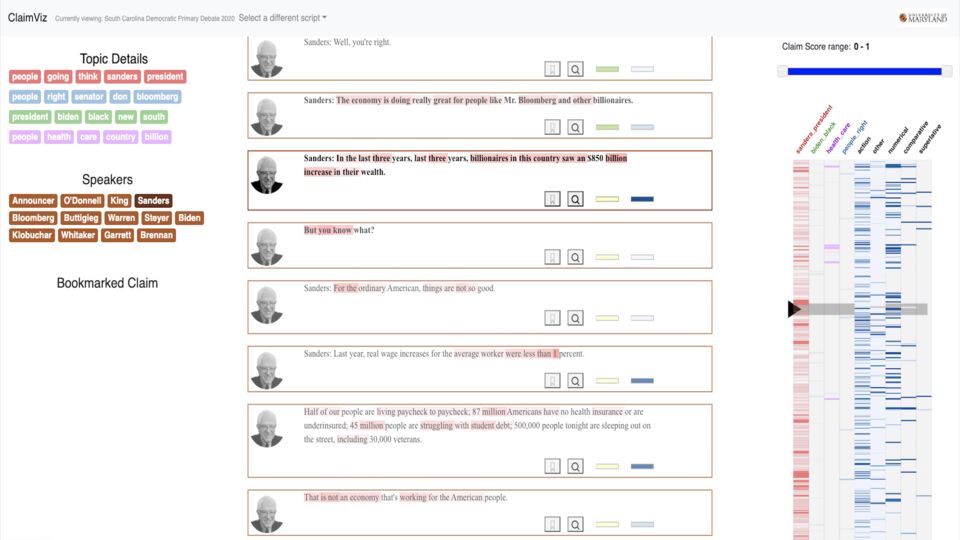
Computational Fact-checking
Datasets, models and visual analytics that help fact-checkers find check-worthy claims and verify them.
Misleading Information and Clickbait
Detecting misleading headlines and clickbait in text and video, and testing corrections that stay honest without losing readers.
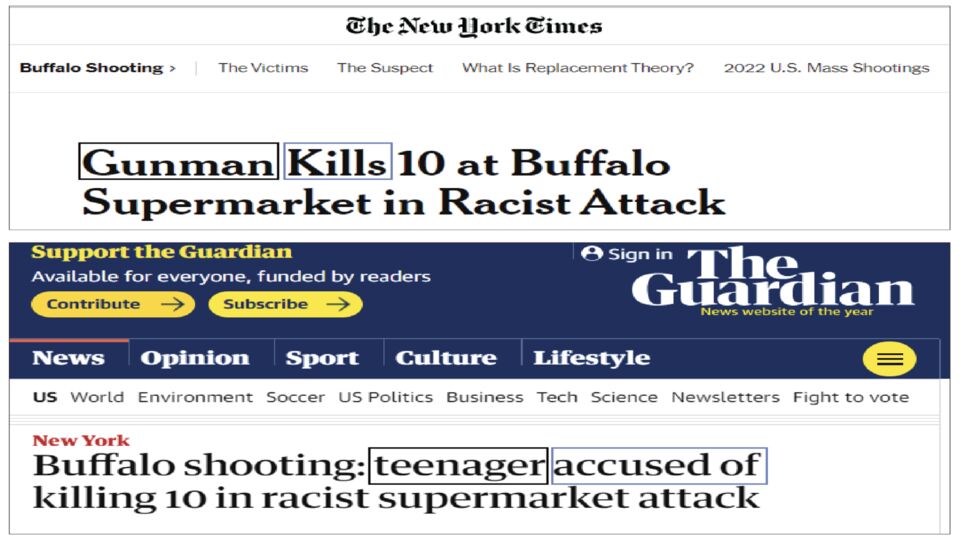
Computational Framing Analysis
Unsupervised methods that find how news and social media frame an issue, at a scale manual coding cannot reach.
NewsBot: AI for News Audiences
What journalists and readers want from AI tools for news, starting with chatbots that answer readers' questions.
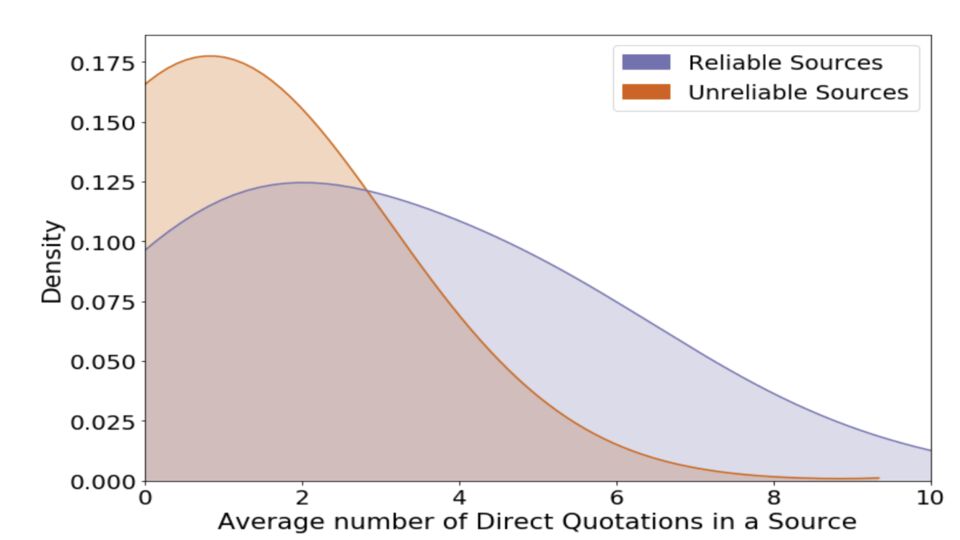
Health Misinformation
How reliable and unreliable outlets report health news, automatic quality assessment, and health misinformation on social platforms.
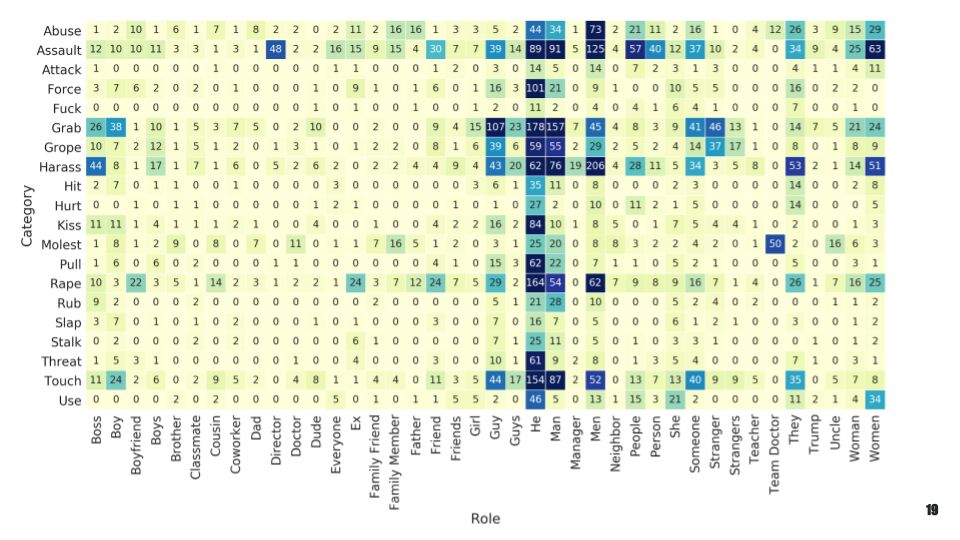
The #MeToo Project
Large-scale analysis of #MeToo and #WhyIDidntReport posts to understand survivors' experiences and why many never report.
News
All news →-
Service
The Third Bangla Language Processing (BLP) Workshop, co-organized by Naeemul Hassan, is accepted as a one-day workshop co-located with NAACL 2027.
-
People
Fuad Al Abir joins the lab as a Ph.D. student.
-
Preprint
New preprint: MOMENTA: Mixture-of-Experts Over Multimodal Embeddings with Neural Temporal Aggregation for Misinformation Detection Read
-
Service
Naeemul Hassan serves as Program Chair of the Second Bangla Language Processing (BLP) Workshop at IJCNLP-AACL 2025.
-
Paper
New paper in CBMI 2025: A Survey of Information Disorder on Video-Sharing Platforms Read
-
Paper
New paper in ASONAM 2025: Can Honest Headlines Engage? Correcting Misleading Headlines to Improve Credibility, Comprehension, and Engagement Read
Recent publications
All 34 →-
arXiv 2026
-
CBMI 2025
-
ASONAM 2025
-
arXiv 2025
-
NAACL Findings 2025